The "partial view" trap — how to spot fake lake view listings in Toronto
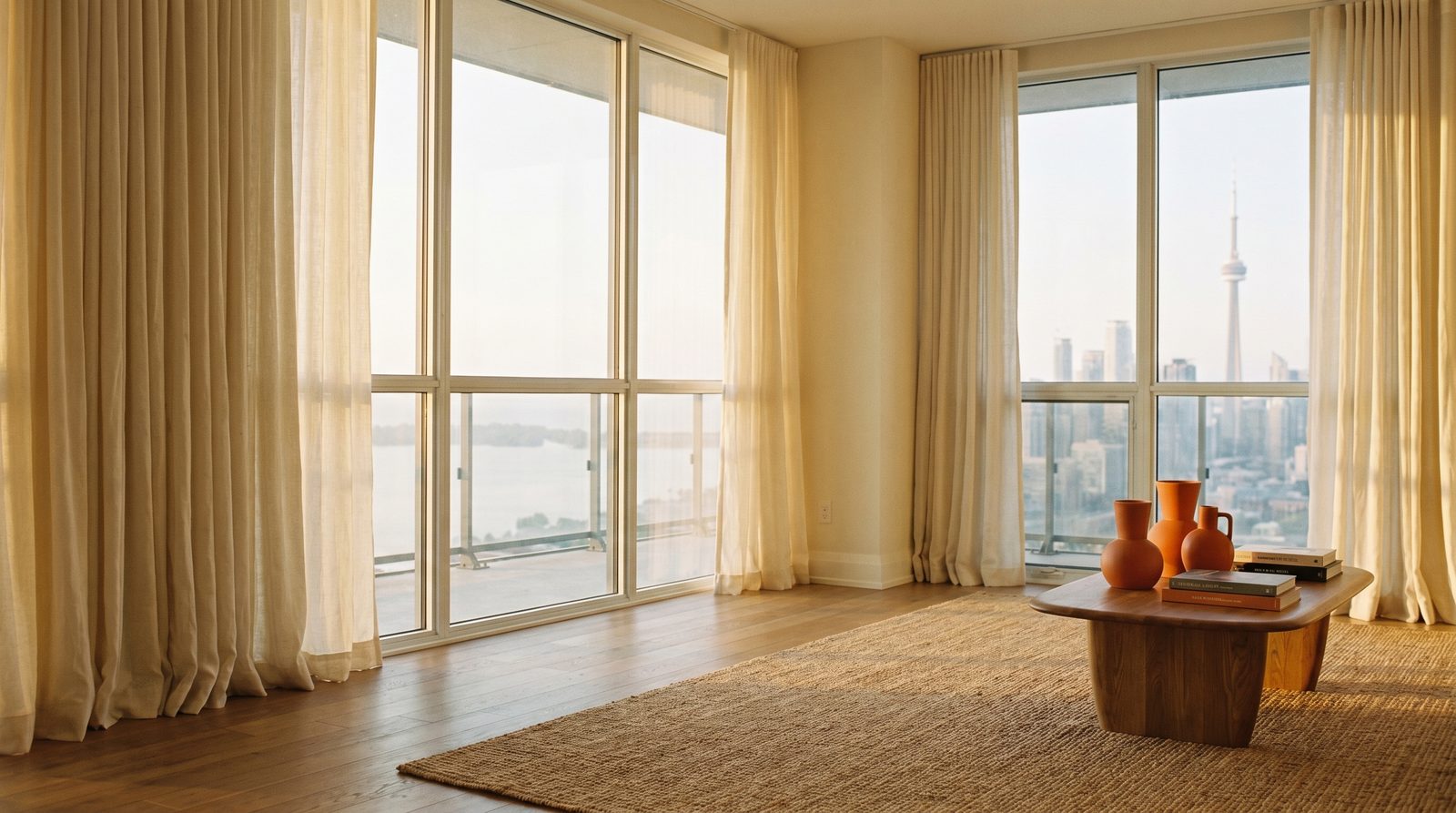
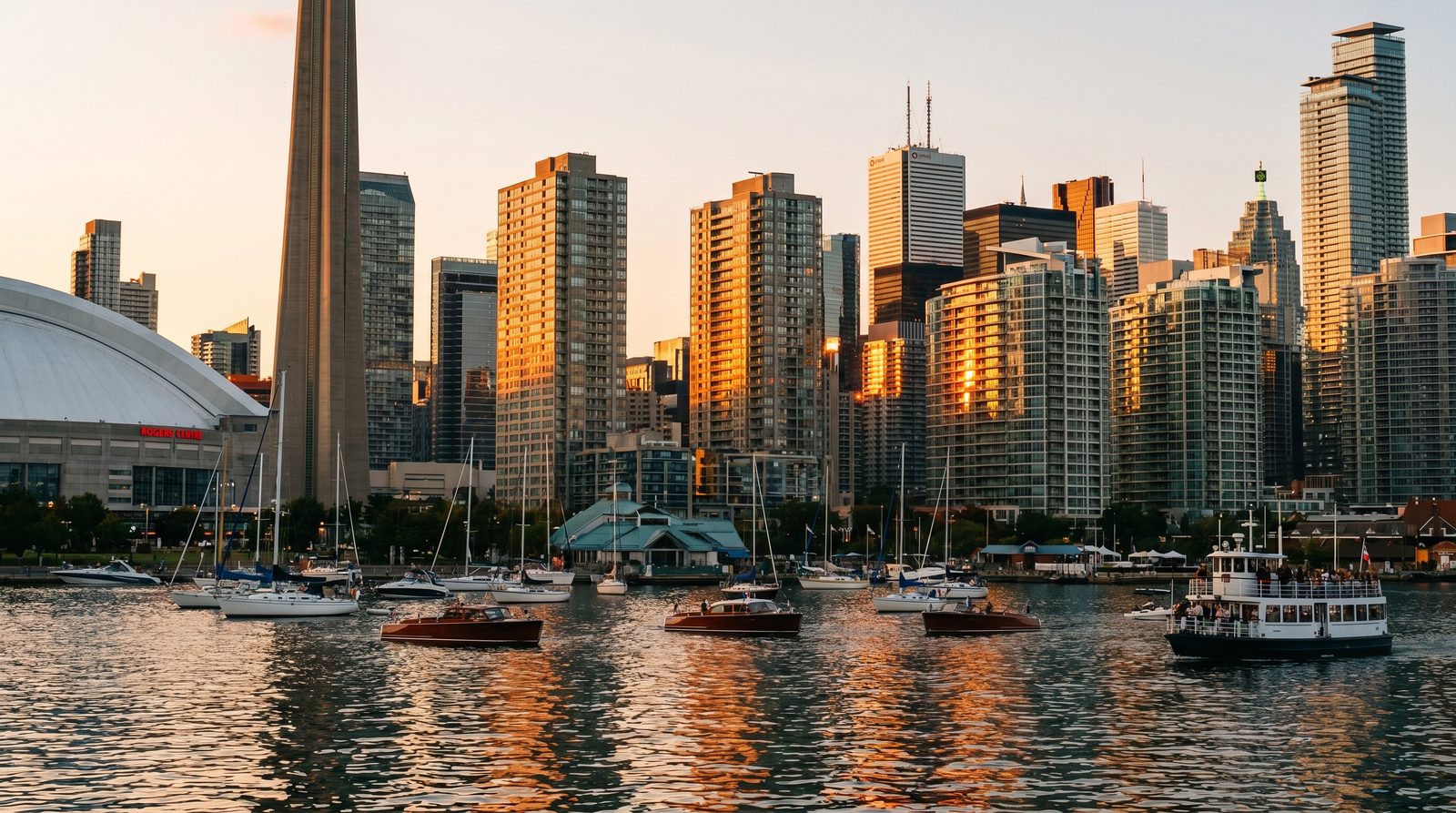
"Partial view" is one of the most misleading terms in Toronto real estate marketing. Most listings that claim lake views actually have partial views — meaning the lake is visible only in narrow slivers between other buildings, or only from specific angles. In resale, the difference between a true unobstructed view and a partial view is typically 15-25% of unit value. Buyers who don't verify before they tour waste entire weekends and sometimes make six-figure mistakes.
What "partial view" actually means in a Toronto listing
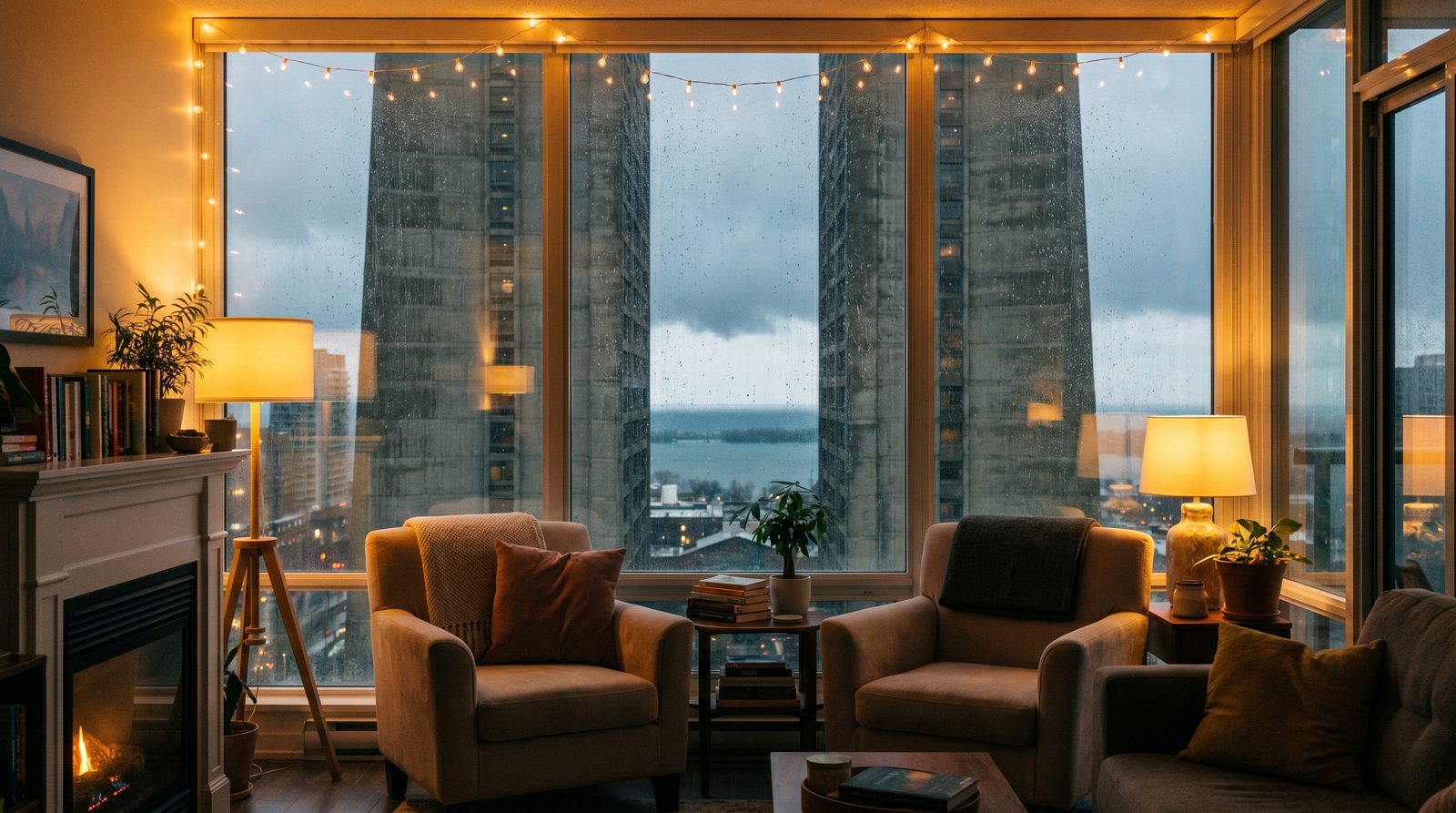
Real estate listings in Toronto aren't legally required to specify the percentage of window space that shows what. "Partial view" can mean anything from "a thin slice of lake between two concrete towers" to "the lake is visible if you lean against the left side of the balcony." Most buyers interpret it to mean "most of the view is lake"; the industry uses it to mean "at least some lake is visible from somewhere."
This gap is where the trap lives.
Why listing photos lie (legally)
Three techniques that make partial views look full:
Wide-angle distortion. A 16mm lens makes a small view look enormous. The slice of lake in the photo is actually narrow in person.
Drone shots substituted for unit photos. A drone hovering at roof level shows the building's theoretical maximum view. Your unit on floor 12 has a totally different perspective.
Strategic photo angles. A photographer shooting from the left corner of a balcony can frame a lake view that only exists from that one square foot of the unit. Move two steps and you're looking at someone's balcony.
None of this is illegal. It's standard listing photography. But it means photos are not a reliable indicator of what you'll see when you move in.
The 3-minute verification process
Do this before booking any showing for a unit marketed as waterfront or waterview:
Step 1: Identify the floor and orientation. The listing usually states which floor. If it doesn't, ask. For orientation, look at the building's floor plate (your realtor should have it) — it shows which compass direction each unit faces.
Step 2: Google Earth walkthrough. Go to Google Earth, drop a pin at the building's address, then tilt the view to approximately the unit's floor height. Rotate to the unit's compass direction. What you see on Google Earth is a close approximation of what the unit sees.
Step 3: Development Application check. Go to Toronto's Development Application Information Centre on the city's website. Search by address for any nearby approved or pending applications. If there's a 40-storey tower approved within 200 metres in the unit's sightline direction, the current view has an expiry date.
Total time: about three minutes. Prevents hundreds of hours of wasted showings.
Six buildings where partial-view marketing is most common
Without naming and shaming, here are the six waterfront-area neighbourhoods where "partial view" is most misused:
1. Harbourfront towers north of Queens Quay with mid-floor units
2. CityPlace buildings facing southwest
3. East Bayfront buildings under 15 floors
4. Older Queens Quay stock with newer towers built in front
5. Liberty Village buildings that market "lake access" (lake is 2km away)
6. King West towers claiming "waterfront district" (they're not)
The Monstera Waterview Watchlist specifically excludes units from these contexts unless the sightline is independently verified.
The Toronto Development Application trap
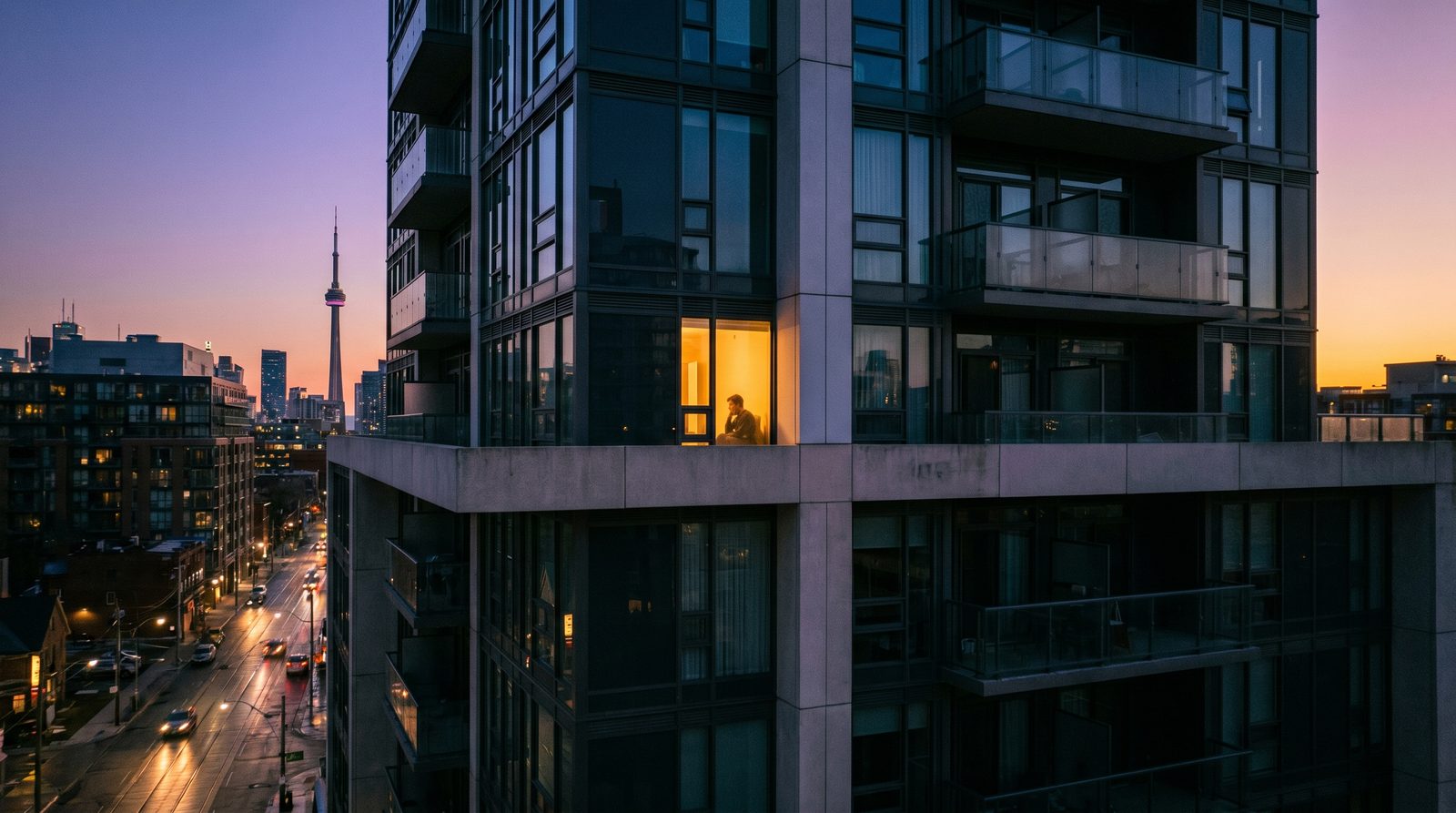
This is the one most buyers miss entirely. Toronto approves high-density development applications years before construction starts. A unit with a clear lake view today can have that view permanently blocked by a tower that breaks ground in 18-36 months.
Real examples happen regularly on the waterfront. Buildings are approved within metres of existing towers. By the time construction finishes, the "unobstructed" unit has a neighbour window 20 feet away.
This information is public. Nobody on the listing side will surface it for you. Check it yourself or have a realtor who checks it as part of their diligence.
The "both sides" problem
Many partial-view units are partial because of two obstruction sources: current neighbouring buildings AND upcoming approved towers. A unit that's already compromised today can go to zero view within the buyer's ownership window. Factor this into the resale equation.
How Monstera handles this
The Watchlist classifies every unit by three view states:
- Verified unobstructed — lake fills the window, no approved towers in the sightline
- Partial but protected — partial view today, no risk of worsening
- Do not list — any unit with obstruction risk either today or within 5 years
Only the first two categories make the list. This one rule eliminates roughly 60-70% of the listings Emma sees weekly.
Get the Watchlist — free, hand-picked, view-verified.
FAQ
What is a "partial view" in a Toronto condo listing?
"Partial view" is industry shorthand for a view that is partially obstructed by neighbouring buildings or infrastructure. In Toronto waterfront marketing, it usually means a sliver of lake visible between concrete towers.
How do I verify a condo's view before booking a showing?
Three checks: identify the unit's floor and orientation, use Google Earth to simulate the view, and check Toronto's Development Application Database for approved towers that could block the view.
Why do real estate listings exaggerate views?
Listings use wide-angle lenses, drone shots from roof level, and strategic photo angles. Some agents simply write "lake view" without qualification because no regulation requires accuracy.
What's the resale penalty for a partial view vs a full view?
The resale gap between a true unobstructed lake view and a partial view is typically 15-25% of unit value, assuming all other factors are equal.
Can a partial view get worse over time?
Yes. Toronto has approved waterfront towers that haven't been built yet. If one is approved within the sightline of a partial-view unit, the view deteriorates once construction finishes.
Emma Pace, REAL Brokerage — Toronto waterfront condo specialist.